Securing Your Latest Payslip in Kenya (2026): A Comprehensive Guide
In Kenya’s rapidly evolving digital landscape, your latest payslip remains a cornerstone of financial stability and opportunity. Far more than just a record of your monthly earnings, this document is your gateway to essential services, from securing a loan to renting a home. For 2026, understanding how to efficiently access, verify, and utilize your payslip is paramount for every Kenyan employee.
This comprehensive guide delves into everything you need to know about your most recent payslip, tailored specifically for the Kenyan context. We’ll explore its vital role, various access methods, potential pitfalls, and future trends, ensuring you’re well-equipped to navigate your financial journey with confidence.
What is Your Latest Payslip and Why Does it Matter in Kenya?
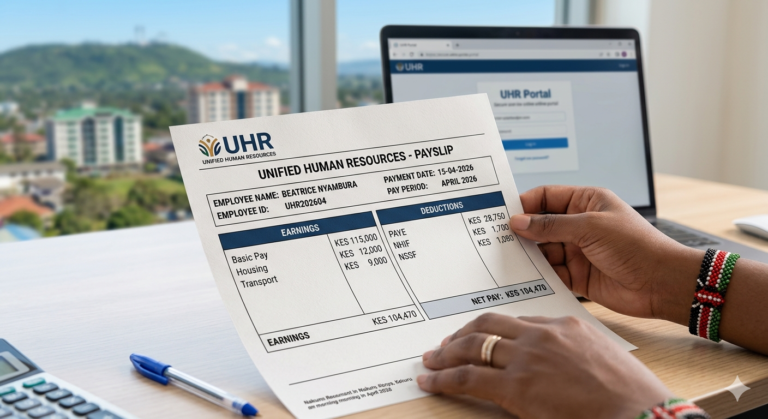
Your latest payslip is an official document issued by your employer detailing your gross salary, deductions (such as PAYE, NHIF, NSSF), and net pay for a specific pay period. It serves as irrefutable proof of your employment and income.
Beyond Just a Salary Slip
In Kenya, the significance of a payslip extends beyond mere record-keeping. It’s a critical tool for financial planning, legal compliance, and accessing crucial services.
The Digital Evolution of Payslips
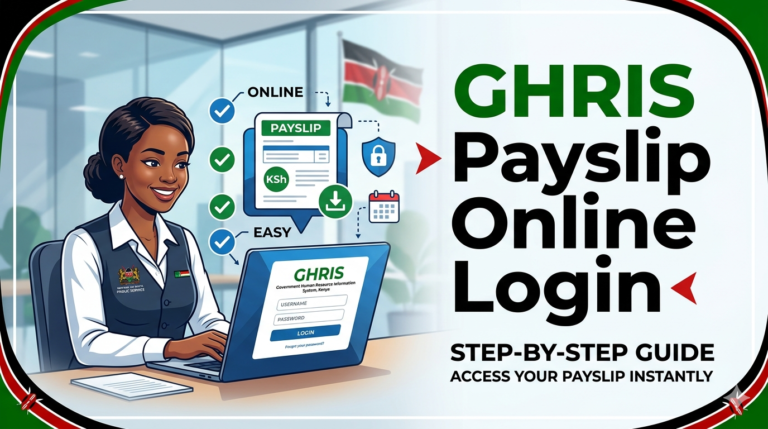
By 2026, most Kenyan employers have transitioned to digital payslip distribution. This shift offers convenience, enhanced security through encryption, and easy accessibility, though it also requires employees to be digitally literate.
Why Kenyans Urgently Need Their Latest Payslip in 2026
Possessing your most recent payslip is not merely a formality; it’s a necessity for several critical aspects of life in Kenya.
Essential for Financial Applications
Whether you’re applying for a mortgage, a car loan, or even a simple personal loan, lenders across Kenya will invariably require your latest payslips as proof of income stability and repayment capacity. This includes applications to banks, SACCOs, and digital lenders.
Get quick loans here—https://www.leadspro.co.ke/login.
Proof of Employment and Income Stability
Beyond loans, your payslip acts as official documentation of your employment. Landlords often request it, visa applications might require it, and even some schools could ask for it during admissions to gauge family income.
Your Rights and Deductions
Your payslip transparently outlines all statutory and non-statutory deductions from your salary. This allows you to verify that correct amounts are remitted for PAYE (Pay As You Earn), NHIF (National Hospital Insurance Fund), NSSF (National Social Security Fund), and any other authorized deductions like loan repayments or union dues.
Types of Payslips Available to Kenyan Employees
While the information contained remains consistent, the format and delivery of payslips have evolved.
Traditional Paper Payslips
Some smaller businesses or older institutions might still issue physical, printed payslips. These are handed out directly or sent via post. While tangible, they pose risks of loss or damage and are less convenient for record-keeping.
Digital Payslips (Email, HR Portals, Apps)
The predominant method in 2026, digital payslips are delivered via email (often password-protected), through dedicated Human Resources (HR) portals, or integrated mobile applications. These offer instant access, secure storage, and are environmentally friendly.
How to Access Your Latest Payslip in Kenya
Accessing your payslip largely depends on your employer and sector.
For Government Employees (TSC, PSC)
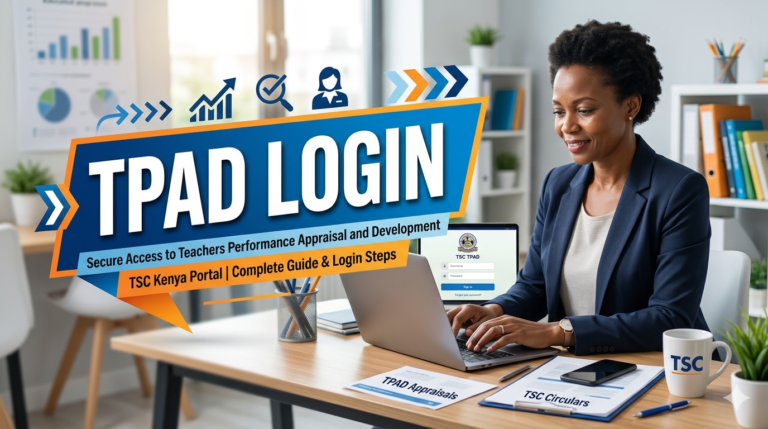
Teachers Service Commission (TSC) and Public Service Commission (PSC) employees typically access their payslips through dedicated online portals. You’ll need your personal number, ID number, and a secure password.
For Private Sector Workers
Most private companies use integrated HR and payroll software. Employees receive login credentials to access their payslips via an online portal or a secure email attachment.
Navigating SME Payroll Systems
Small and Medium Enterprises (SMEs) may use simpler systems, including direct email distribution or even physical copies. Always ensure the method is secure and legitimate.
M-Pesa Statements: A Limited Alternative?
Costs, Requirements, and Timelines for Obtaining Your Latest Payslip
Obtaining your payslip is generally a straightforward process.
Generally Free Access
Your employer is legally obligated to provide your payslip, and there should be no direct cost involved in accessing your regular monthly statement. Requests for historical payslips might sometimes incur a small administrative fee, though this is rare for electronic access.
Key Information Needed
- Your Employee ID or Payroll Number
- National ID Number
- A secure password for online portals
- Your registered email address
Standard Issuance Timelines
Payslips are typically issued on or before payday, usually at the end of the month. If you haven’t received yours by then, contact your HR or payroll department immediately.
Step-by-Step Guide: Getting Your Latest Payslip Online in Kenya
Follow these steps to securely access your digital payslip:
- Receive Notification: Your employer will usually notify you via email or SMS when your payslip is ready.
- Access the Portal/Email: Navigate to your company’s HR portal URL or open the email with the payslip attachment.
- Enter Credentials: Input your employee ID, national ID, and secure password. If it’s an email attachment, you might need a password provided separately.
- Download/View: Once logged in, locate the section for payslips, select the desired month, and either view it online or download a PDF copy.
- Save Securely: Always save your payslips in a secure, password-protected folder on your device or a trusted cloud service.
Common Mistakes to Avoid When Handling Your Latest Payslip
Proper management of your payslip is crucial.
Ignoring Discrepancies
Failing to check your payslip for errors can lead to incorrect tax payments, underpaid benefits, or disputes with your employer. Always cross-check with your employment contract and previous payslips.
Sharing Sensitive Information Carelessly
Your payslip contains highly sensitive personal and financial data. Never share it publicly or with unverified individuals. Be wary of phishing attempts.
Not Keeping Records
It’s advisable to maintain digital copies of your payslips for at least five years. These records are invaluable for tax season, loan applications, and proof of employment.
Kenyan Payslip Access Methods: A 2026 Sector-Specific Comparison
Access methods vary significantly across Kenya’s diverse employment sectors.
| Sector | Primary Access Method (2026) | Secondary Method (if applicable) | Key Considerations |
|---|---|---|---|
| Public Service (TSC, PSC) | Dedicated online portals (e.g., TSC Online Payslip Portal) | HR Departments for historical requests | Requires personal number, ID, secure login. |
| Large Private Corporations | Integrated HR & Payroll Software Portals | Secure email links | Usually highly automated and self-service. |
| Small & Medium Enterprises (SMEs) | Secure Email / WhatsApp PDF | Physical printouts | Varies widely; employer communication is key. |
| International NGOs/Agencies | Global HRIS platforms (e.g., Workday, SAP) | Local HR support | Often follows international best practices. |
The Future of Your Latest Payslip in Kenya: Trends for 2026 and Beyond
The payslip is not static; it continues to evolve with technological advancements and regulatory changes.
Blockchain Integration
Future trends indicate potential blockchain integration for payslips, offering immutable records, enhanced security, and verifiable authenticity. This could revolutionize how payslips are trusted and used for financial transactions.
AI in HR and Payroll
Artificial intelligence is set to streamline payroll processing, minimize errors, and potentially offer personalized financial insights directly from your payslip data, aiding budgeting and financial planning.
Enhanced Security Features
Expect more robust encryption, multi-factor authentication for online portals, and advanced digital signature verification to protect your sensitive financial information from cyber threats.
Frequently Asked Questions About Your Latest Payslip
What if my employer refuses to provide my latest payslip?
It is your legal right to receive a payslip. If your employer refuses, first approach your HR department or line manager. If unresolved, you can escalate the matter to the Ministry of Labour or seek legal counsel.
Can I get a loan in Kenya without a payslip?
It’s challenging but not impossible. Some digital lenders or SACCOs might offer micro-loans based on M-Pesa statements or business records, especially for self-employed individuals. However, for significant loans, a payslip is almost always mandatory.
How far back should I keep my payslips?
Ideally, keep payslips for at least five to seven years. This covers most tax audit periods and serves as comprehensive proof for future financial applications.
Is an M-Pesa text message showing salary sufficient as a payslip?
No, an M-Pesa text or statement only confirms a transaction. It does not provide the detailed breakdown of gross pay, deductions, and net pay that an official payslip offers, which is critical for financial transparency and compliance.
What should I do if my payslip has incorrect information?
Contact your HR or payroll department immediately. Provide evidence of the error (e.g., bank statement, previous payslip, employment contract). They are legally obliged to rectify the error and issue a revised payslip.
Conclusion: Safeguarding Your Financial Future with Your Latest Payslip
Your latest payslip in Kenya is an indispensable document in 2026. It’s not just a reflection of your hard work but a crucial instrument for navigating your financial life, accessing credit, and ensuring your rights as an employee are upheld. By understanding how to access it securely, verify its accuracy, and protect its sensitive information, you empower yourself to make informed financial decisions and build a stable future. Embrace the digital convenience, but always prioritize accuracy and security when handling this vital document.
Sources
- Central Bank of Kenya (CBK) — Financial Sector Reports.
- Kenya National Bureau of Statistics (KNBS) — Economic Survey and Employment Data.
- Business Daily Africa — Fintech and Employment News.
- Statista — Digital Adoption and Workforce Statistics.
- Federation of Kenya Employers (FKE) — Labour Laws and Employer Best Practices.